
On a campus where One Course At A Time uniquely shapes the pace of daily life, students often look to one another for insight and connection. The Ebersole Health and Wellbeing Center’s Health Promotion Peer Educator Mentors Program provides opportunities for those conversations by offering a trained peer for students to talk with.
Mentors receive a variety of training after they are chosen for the program. Once they have completed their training, they are able to talk with students about things they don’t want to share with adults, provide students with needed resources, and plan campus outreach events.
On any given day, a peer mentor might have a one-on-one conversation with a fellow student, create fliers on reproductive health to hang in the residence halls, or host a tabling event in the Thomas Commons to share information about the impacts of alcohol, tobacco, and drug use.
Goretty Nabwire ’29, a politics and international relations major, found the peer mentor training to be an incredibly enriching confidence booster. As she enters her second year of mentoring, she’s excited to gather more feedback from students who use the service.
“My favorite part is supporting students—being someone they can turn to, talk to, and trust,” Nabwire said. “I wish every student knew that we are here for them. We genuinely care, and our goal is to support their wellbeing in every dimension—mental, emotional, academic, and social.”
That support begins with selection and training. Every spring, Director of Health and Wellbeing Marcia Sisk interviews students who want to become peer mentors. She’s looking for people who have a passion for mental health, well-being, and health promotion.
“I’ll try to get students who are first- or second-year, and then they stay peer educator mentors through graduation,” Sisk said. “Because the certification process is so long, I like to keep who I have, and as they graduate, I’ll add a couple more on.”
Students receive certification from the National Association of Student Personnel Administrators (NASPA), which is a professional organization for student success programs in higher education. NASPA training provides instruction on motivational interviewing, ethics, rights, and suicide-prevention skills. There is also Question, Persuade, Refer (QPR) suicide training, a certification exam, and substance-use education.
“PEMs are confidential resources. They will keep what they are told confidential, except for information that indicates an imminent risk to the students or others,” Sisk said. “They are supportive listeners, not counselors, so peers can come to them for help with problem-solving, to be connected to campus resources, and to share relationship problems, loneliness, homesickness, sleep issues, and other well-being concerns.”
Students do not have to make appointments through Ebersole in order to utilize this program. They can reach out to mentors at tabling events or even connect with them wherever they pass them on campus. Sisk wants the mentors to be identifiable and approachable.
“I wish every student knew about this program. Peers relate to peers. Who better to speak with about things you don’t want to share with an adult?” Sisk said. “If students knew these mentors were on campus holding space for them, they’d utilize them more.”
Omorinsola Olubayo ’27 has been a peer mentor since 2024 and is one of this year’s program co-managers, along with Sonnie Sandoe ’27. Her favorite part of the program is seeing her peers and friends show up to tabling and wellness events.
“We have a lot of events planned this year, like the Bob Ross paint and sip event and other craft-based activities, that encourage students to be present in the moment through mindfulness and creative engagement,” Olubayo said. “As always, we’ll continue to have candy and opportunities for students to win Cornell merch or a free Zamora’s meal card at our tabling events, which take place at least once a week.”
Read the bios below to get to know this year’s Health Promotion Peer Educator Mentors.
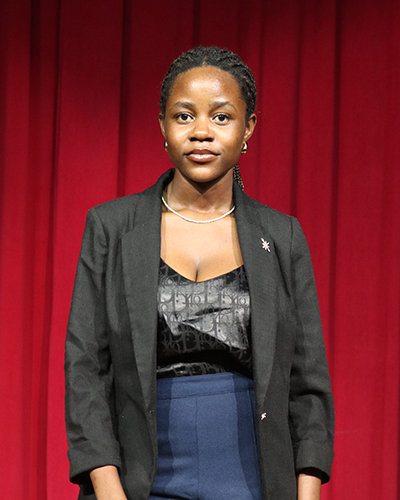 Name: Goretty Nabwire
Graduation year: 2029
Major: Politics and international relations
Fun fact: I grew up around coffee farming, but ironically, I don’t actually like drinking coffee.
What is your favorite part of the program? My favorite part is supporting students—being someone they can turn to, talk to, and trust. I love creating spaces where students feel seen, heard, and genuinely cared for.
What do you wish everyone knew about the program? I wish every student knew our goal is to support their wellbeing in every dimension—mental, emotional, academic, and social.
Name: Omorinsola (Rinsola) Olubayo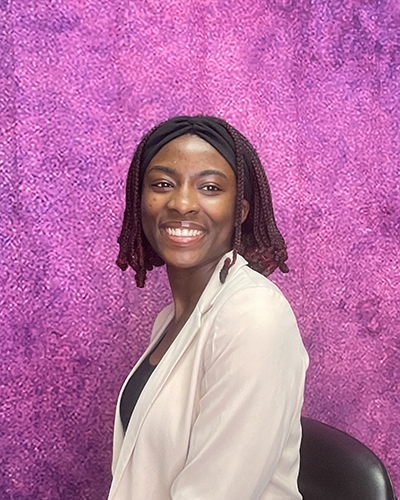
Graduation year: 2027
Major: Biochemistry and molecular biology
Fun fact: Ice cream is my favorite food.
What is your favorite part of the program? It’s easy to get caught up in the rigor of the block plan and constant deadlines, but seeing people make time to learn how to care for themselves and our community reminds me why this work matters.
Even if they can’t attend events in person, I appreciate that my peers can still reach out with questions or engage with our informative posters in the residence halls. I also love that we have multiple avenues to connect with our community—from posters and Orange Carpet events to residence hall and Thomas Commons tabling.
What do you wish everyone knew about the program? I wish every student knew about our Instagram page (@cc.health.promotions), where we share upcoming events and mental health tips. I also wish they knew that our support goes beyond Thomas Commons—we are present in the residence halls as well and now have office hours to meet one-on-one with students. We are always happy to support our peers through whatever they may be going through, or to connect them with resources that can help.
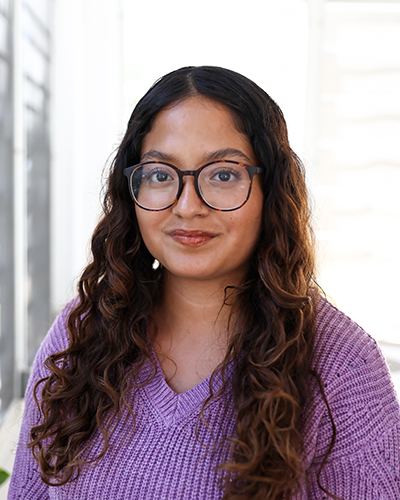 Name: Ashley Olvera
Graduation year: 2027
Major: Psychology and Spanish
Minor: Kinesiology
Fun fact: I am a member of the cross country and track teams and serve as the co-president of Psi Chi, the International Honor Society for Psychology.
What is your favorite part of the program? My favorite part of the program is being a resource for students as they work toward success in whatever way they need.
What do you wish everyone knew about the program? I wish students knew how many resources are available to them through the Health Center and how much we genuinely want to help our peers succeed.
Name: Penley Park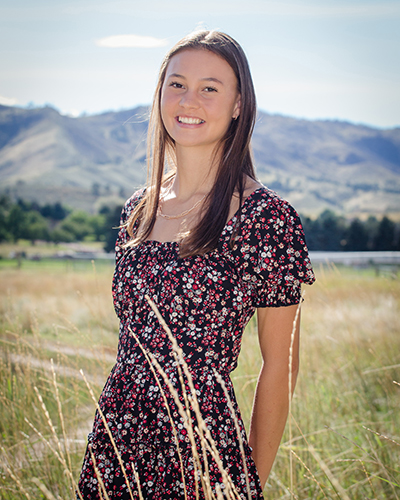
Graduation year: 2028
Major: Psychology
Minor: Business
Fun fact: I am painted on an electrical box in my hometown.
What is your favorite part of the program? It is the people. Everyone has been very welcoming, and I am so excited to work more closely with everyone this year!
What do you wish everyone knew about the program? We listen to the concerns and wants of the students and carefully select activities and events so students can enjoy them.
 Name: Sonnie Sandoe
Graduation year: 2027
Major: Biochemistry and molecular biology
Fun fact: I enjoy photography.
What is your favorite part of the program? My favorite part of the program is the opportunity to connect with other students and help them access resources that can improve their well-being, including my own. I enjoy having meaningful conversations and knowing that even a small interaction can make a positive difference.
What do you wish everyone knew about the program? I wish every student knew that the program is designed to support them and that the peer educators are approachable, knowledgeable, and eager to help.