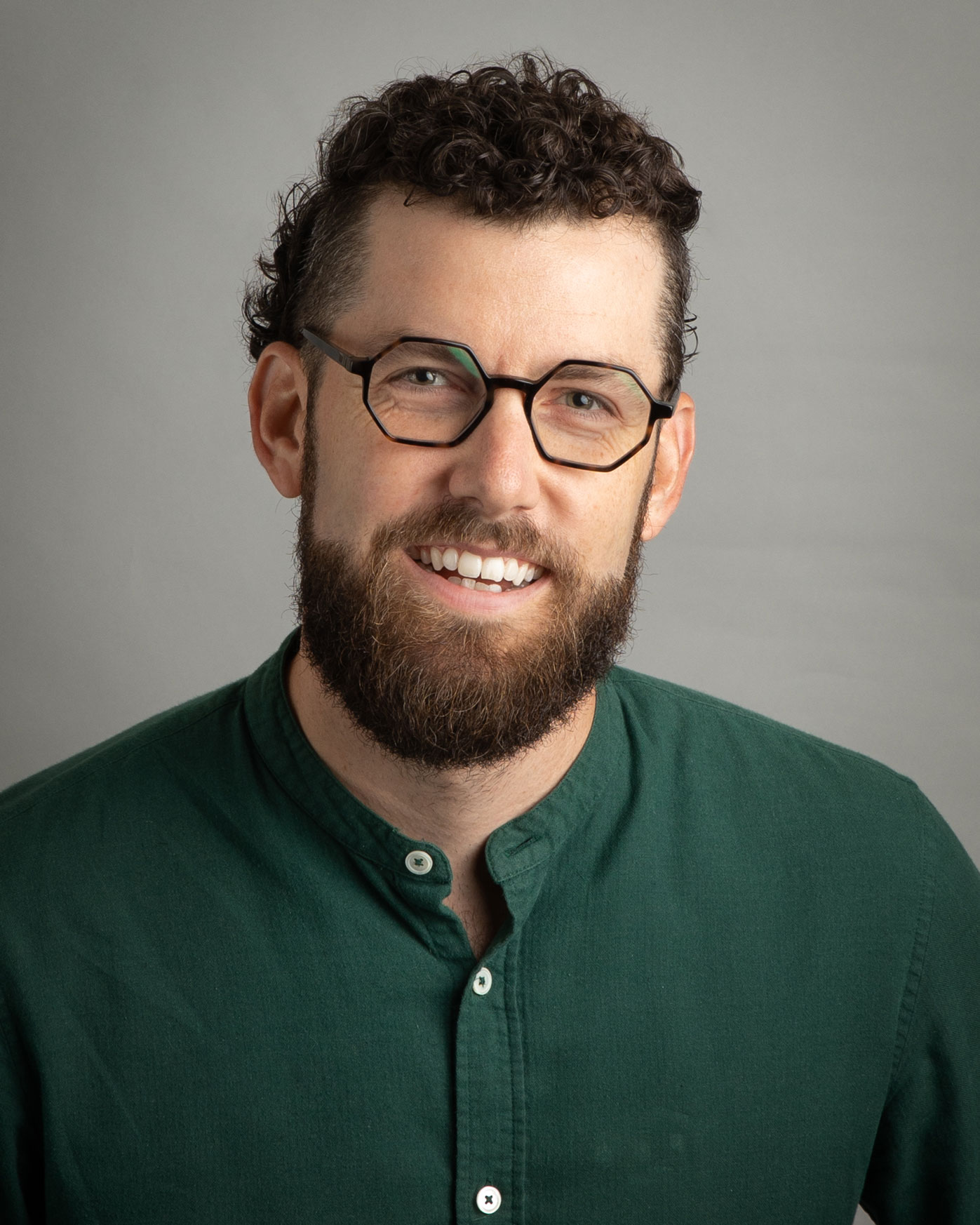
In rooms across Cornell’s campus, professors are incorporating various types of artificial intelligence (AI) into their classes and research. The relevance of this cutting-edge tool extends beyond science and engineering and is also appearing in humanities courses, such as those taught by Associate Professor of Studio Art Alex McKenzie.
McKenzie said many computer programs in digital arts classes, like Photoshop, which has offered content-aware fill tools for over a decade, integrate AI to some degree. Students may even be using AI tools without recognizing them as AI. Although art is fundamentally about the human creative process, McKenzie believes there is still space for AI tools in the art classroom.
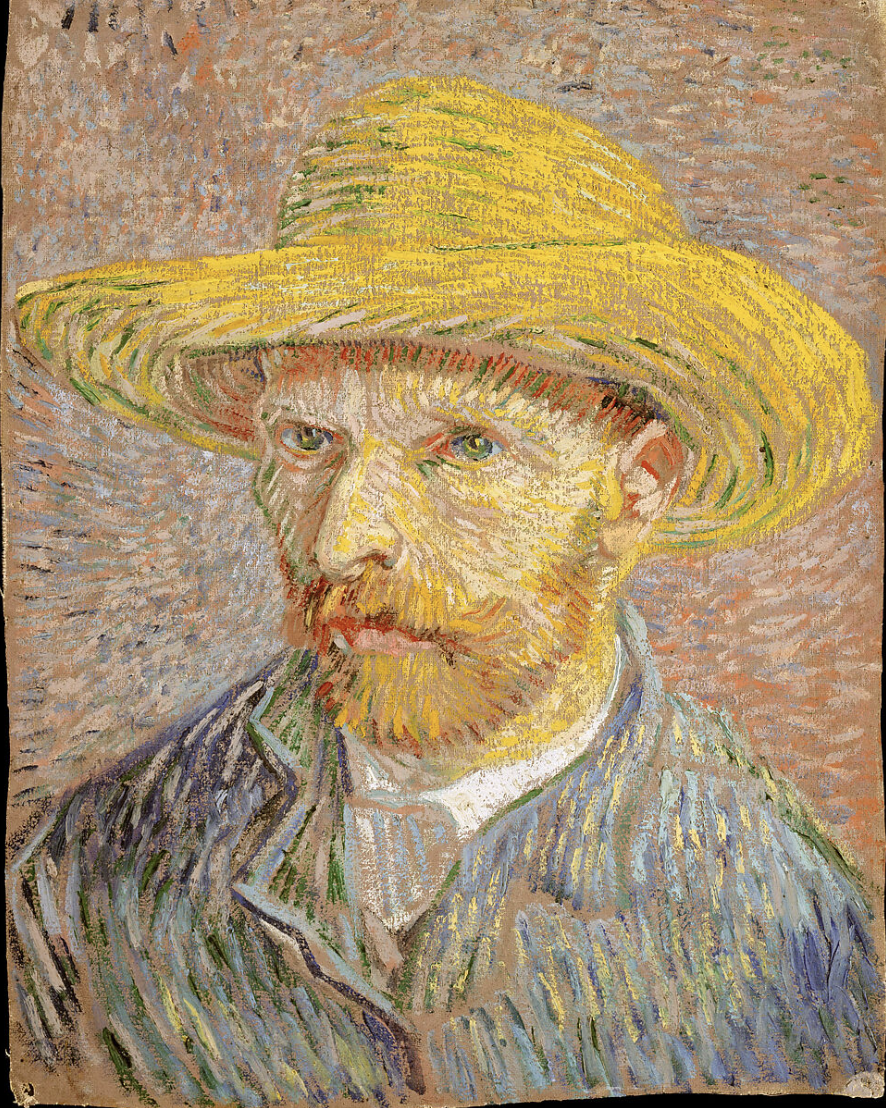
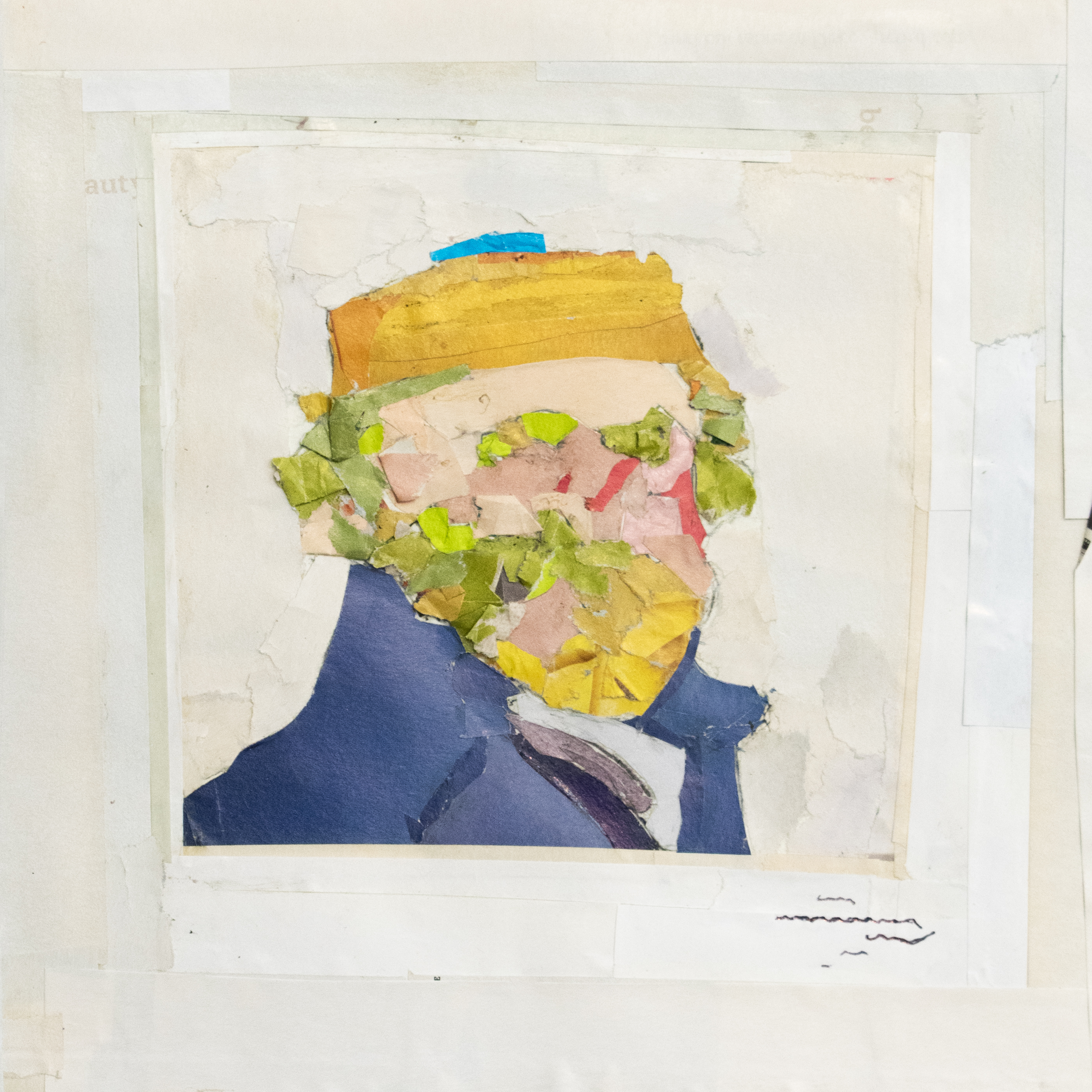
In his Studio Art Basics, McKenzie’s students are required to write a formal analysis of a famous piece of art. Once they have completed this, they use their analysis to see what sort of art their descriptions create when used as a prompt in a generative AI platform. The resulting art pieces are wildly different from the masterpieces the students have been studying. Over the course of multiple rounds of revisions, they enhance their written descriptions using AI feedback to create a clearer picture of the piece while simultaneously learning about generative AI prompts and precise artistic analysis.
McKenzie also uses AI tools in his Augmented Reality, Animation, and Digital Practices courses. And while AI use in digital art is becoming almost expected, being able to watch projects develop in real time reassures him that students remain at the center of their own creative work.
“In the context of my courses, I like to think that the use of generative AI can be a tool, but it should not be the result,” McKenzie said. “Can students use AI as a component of a larger whole, where their idea or concept still rings through as the essential element of the artwork? To simply generate an image from text and celebrate it as a work of art is boring at best.”
In short, human creativity is both the source and the essence of the artwork, and AI is simply another tool–like a paintbrush or potter’s wheel–that can help the artist bring their vision to life.
While many people worry about what might be lost as AI becomes more common, McKenzie points to earlier technological shifts and how they reshaped the art world. Innovations like the camera obscura—an early camera that used a dark box and a small opening to project a live image—and later photography pushed artists to reinvent their styles. He notes that new tools often spark renewed interest in older techniques too, much like today’s resurgence of records and film‑based photography.
“In the last few years I have really been trying to get a better understanding of how and where these tools will take us,” McKenzie said. “I am excited to keep learning and experimenting.”