
Round two of the 2026 Senior Art Shows will feature 11 graduating studio art majors showcasing their year's creative journey from April 19 to April 29. These senior thesis exhibits will feature a diverse array of art forms, including photography, ceramics, mixed media sculpture, graphite pencil drawings, painting and more.
An opening reception will be held from 2–4 p.m. on Sunday, April 19, in McWethy Hall’s Peter Paul Luce Gallery, Cole Library Gallery, and Hall-Perrine in the Thomas Commons, where the exhibitions will be featured. The shows are free and open to the public.
All Cornell senior studio art majors receive their own studio spaces and prepare exhibitions of entirely fresh bodies of work in the mediums of their choice. They propose their exhibitions before the department faculty, mount the exhibitions, and advertise and defend their shows in front of the art and art history professors.
A first round of Senior Art Shows took place March 29–April 8. Here is how the students describe their work in their own words:
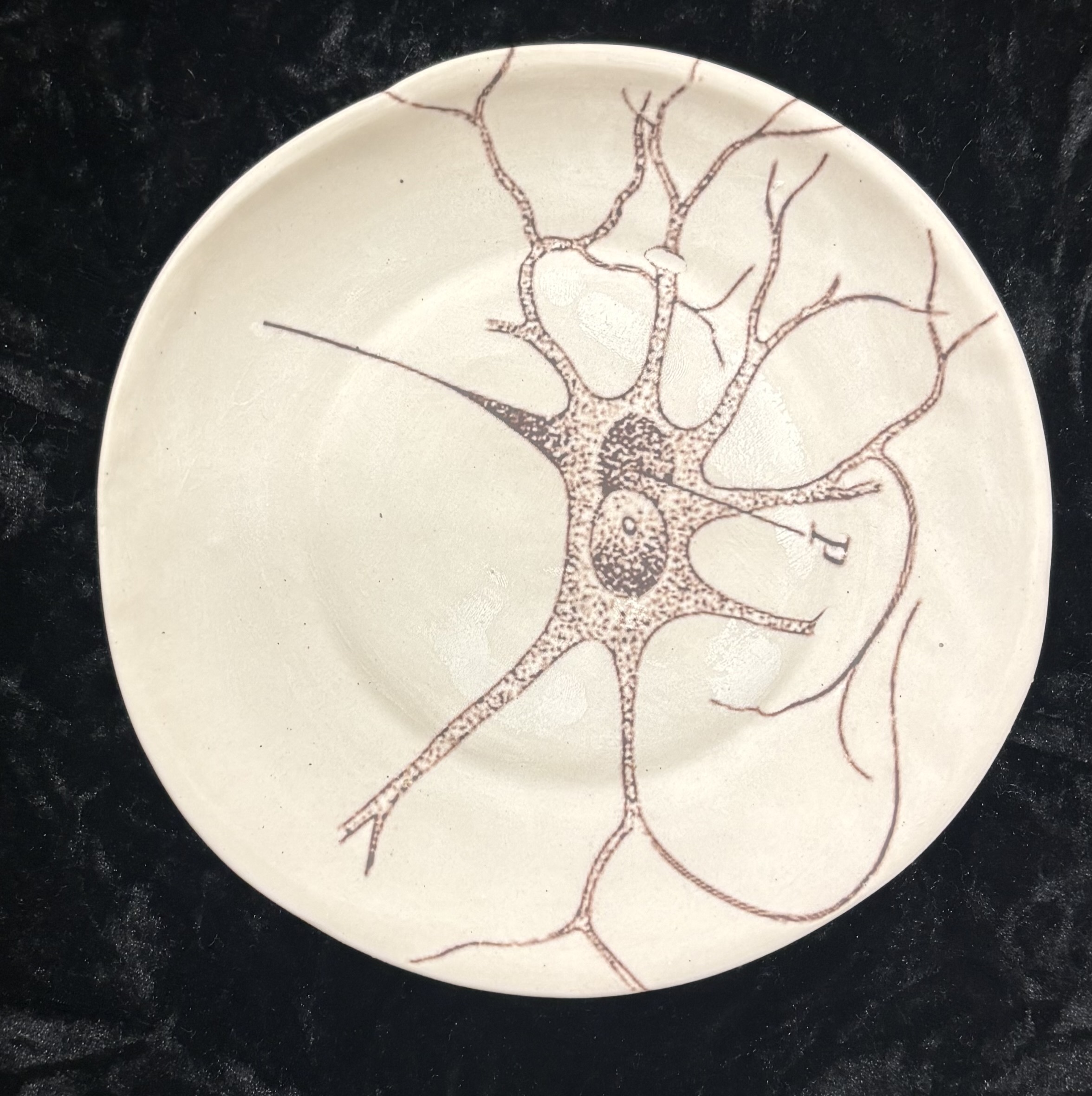
Portia Bowman
The show Differentiation consists of ceramic vessels overlaid with images of cells. The plates and bowls used in the show are done through a process called slip casting, where thinner clay is poured into molds to create a uniform, consistent shape. Image transfer takes photos and digital artwork and places it onto a moldable paper that can then be fired onto the clay. Hand painted cells on the plates and bowls will also be utilized to show different representations of neurons in early to modern neurobiology. The plates, hanging on walls, will come together to form larger images as one complete unit. The bowls will stand on podiums as inner representations of the body and the progress of knowledge over the years since discovery. The ceramics alongside the images of cells represent the repetition of cellular processes throughout our bodies and the similarities throughout our nervous systems.
Frida Hilbrich
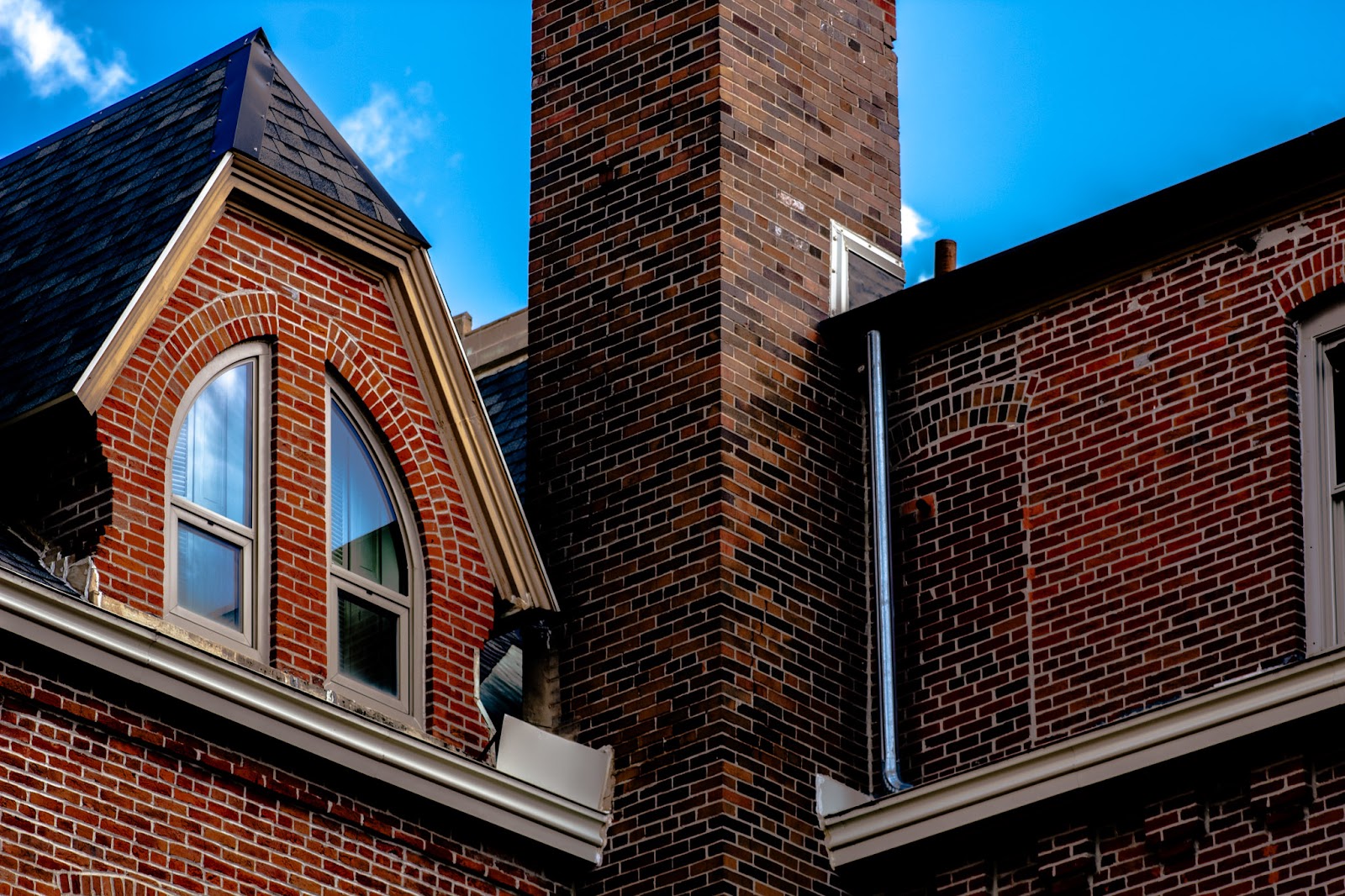
Frida Hilbrich’s project combines creative writing and photography to create an art exhibit currently featuring ten pieces inspired by her photographs. Each photograph, or set of photographs, is paired with a poem or short piece of writing that complements the visual image. Her work focuses on the hidden details of everyday life—dogs with human-like eyes, heart-shaped door locks, and multicolored window panes—capturing the beautifully unusual moments that people often overlook. By documenting these small discoveries through both photography and writing, Hilbrich hopes to spark curiosity and encourage viewers to notice the subtle and unexpected details in their own surroundings. As the project progresses, she turns the camera toward herself through self-portraiture, using photography to explore identity, self-reflection, and the ways photographing herself can foster self-love and self-care.
Hilbrich’s photography is influenced by Francesca Woodman and Henri Cartier-Bresson, whose approaches to photography contrast yet inspire her work. Cartier-Bresson focused on capturing spontaneous, unplanned moments, while Woodman often created staged photographs using movement, props, and carefully constructed settings that carried an emotional and sometimes melancholic tone. Her writing is also influenced by Ross Gay’s “The Book of Delights,” which reflects on everyday moments through journal-like observations, as well as Emily Dickinson, whose work draws from imagination, emotion, and nature. Hilbrich’s writing mirrors her photography by capturing moments in time through language. The project includes a mix of longer reflections, poetry, and short forms such as haikus, all written from her current perspective while reflecting on photographs she took earlier in the school year. Through both mediums, Hilbrich creates from a place of curiosity and wonder, using art to explore her environment and express what it means to be a creative, emotional, and complex person.
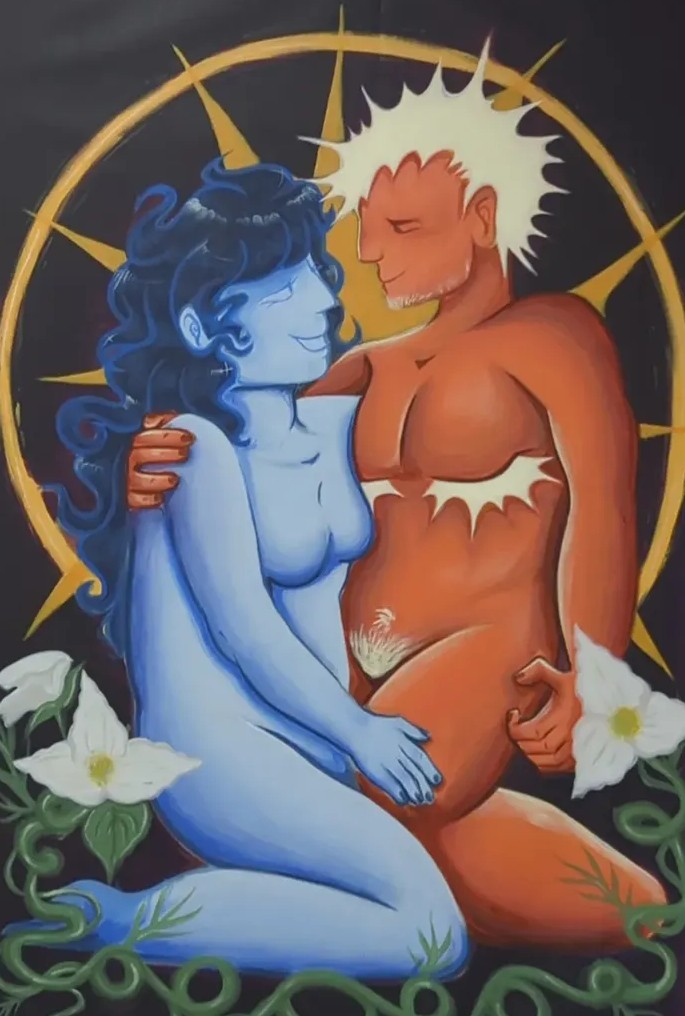
Juliane Jerez
Jerez’s show, “Cambiante,” is a love letter to the queer Mexican-American identity. Growing up in America, one can often feel a disconnect when it comes to the white queer experience that dominates the media. It can be a struggle finding representation that embraces both identities and helps someone feel less alone in their experience. The artwork in “Cambiante” is created with love and pride, as well as the struggle of finding oneself represented within their culture and community.
Veronica Schuchart
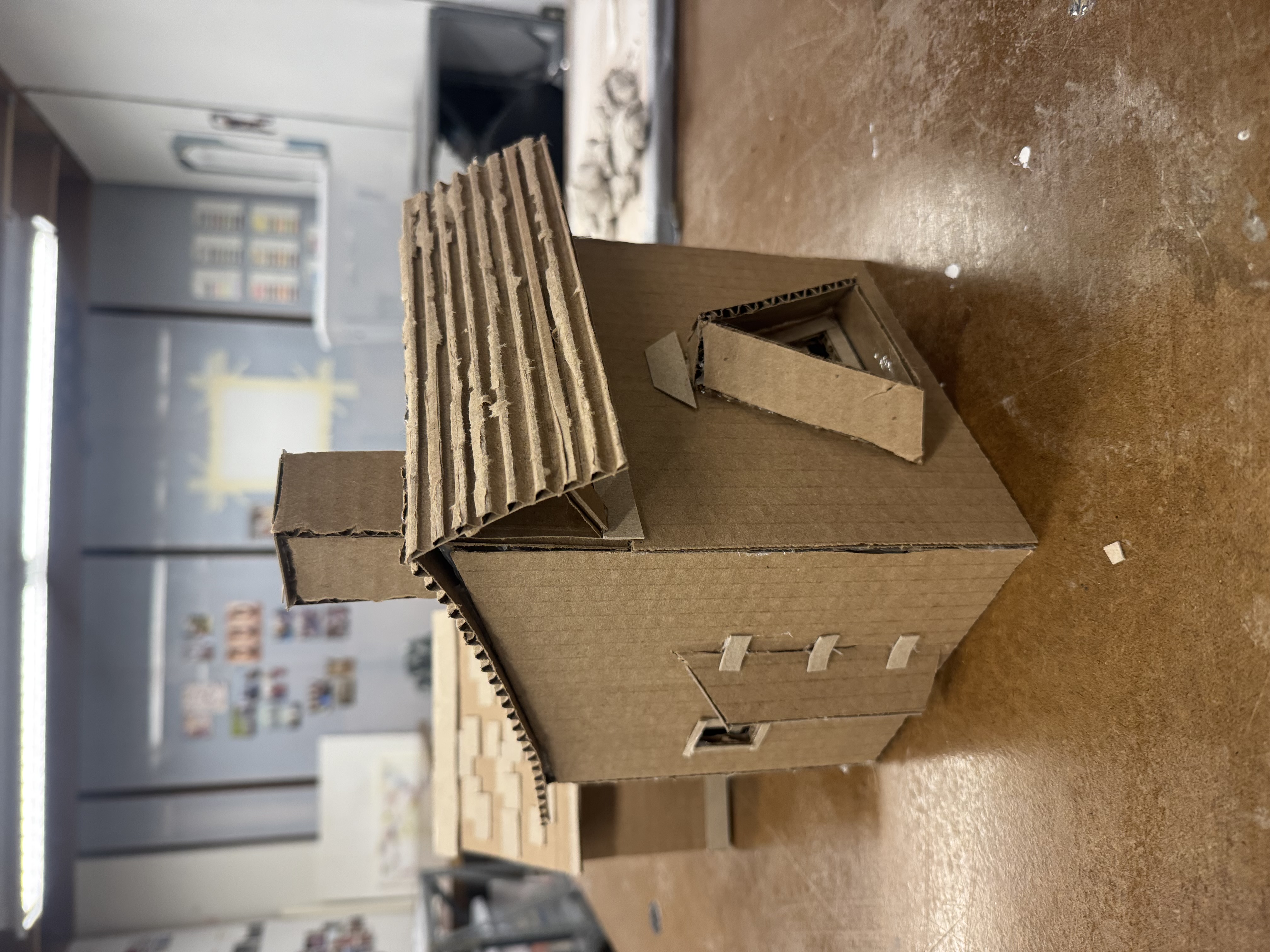
Schuchart’s art show constructs a world that reflects the artist’s use of imagination as a way of navigating intrusive thoughts and life experiences. She accomplishes this world building through 3D sculpture of mixed media from miniature to life size scales. Through this playful environment, the work prompts viewers to reflect on the tension between distraction and confronting realities.
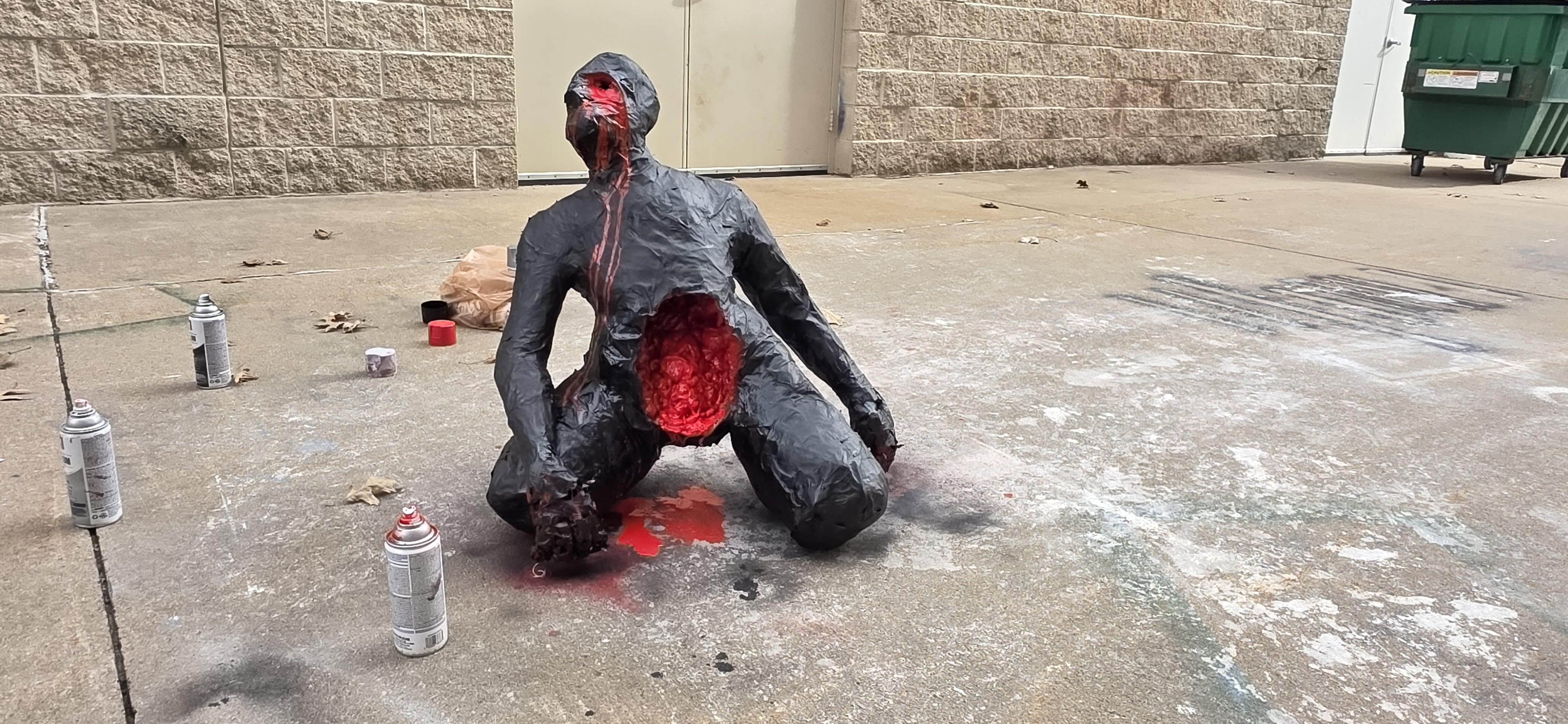
Mara Shelton
In “Dyspwhoria,” Shelton utilizes a variety of three-dimensional mediums in the aims to share and, more importantly, express some of the crippling pains of growing up neurodivergent and queer. It is a show of intensity and violence, but also representative of the beauty in the struggles the artist has come to face in her life journey. With that in mind, “Dyspwhoria” is not a family friendly show, and the artist asks you to be cognizant that the displayed work is intense and intended for mature audiences, with said work involving depictions of gore, body horror, and gender dysmorphia.
Ashley Drake
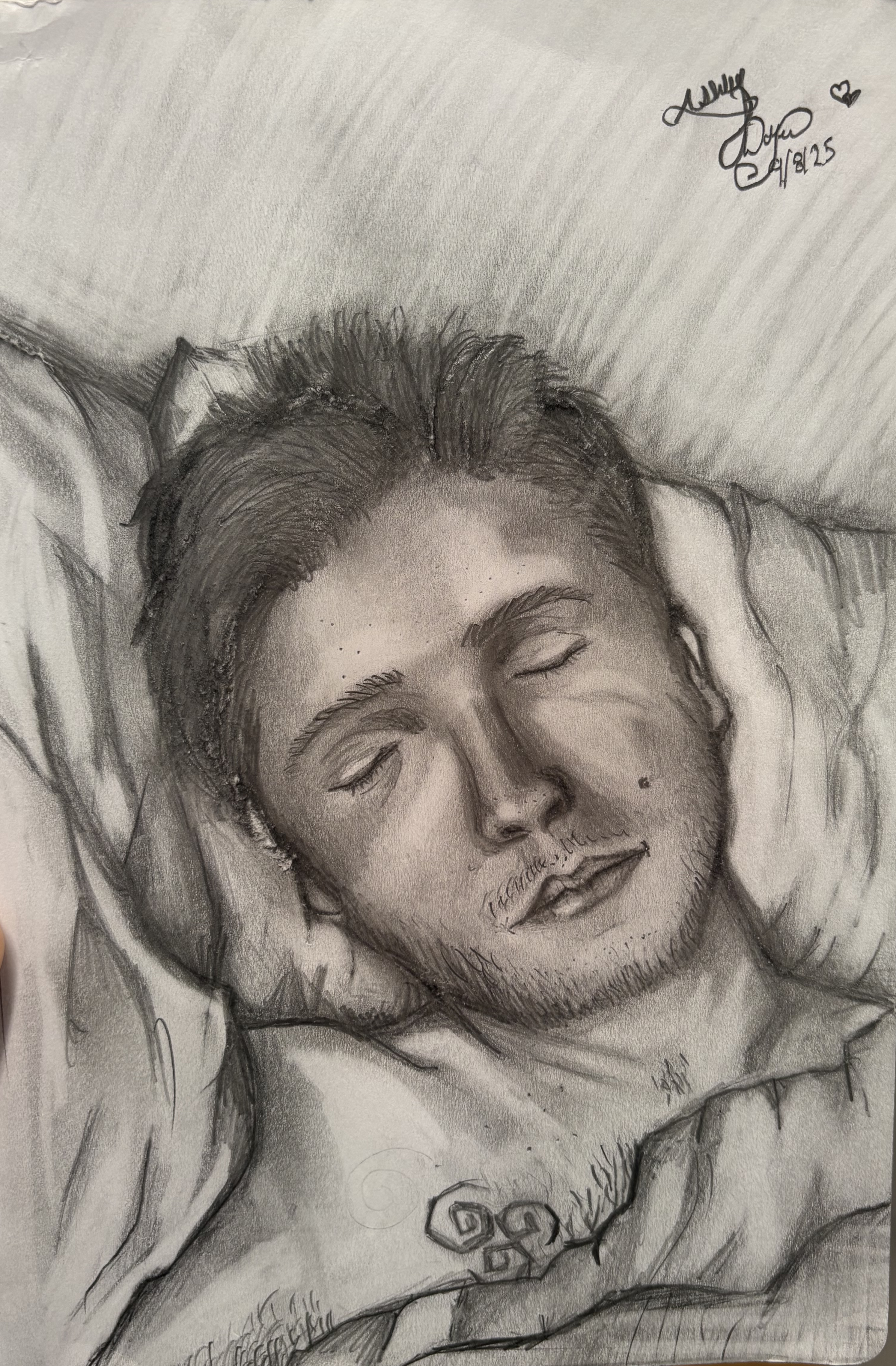
This series of hand-drawn portraits began as a way for the artist to preserve the small, intimate moments shared with their romantic partner. Through drawing, they attempt to slow down and pay close attention—not only to physical likeness, but to the emotional weight of presence, closeness, and care. These works are not just about who the subject is, but about how the artist experiences and remembers them over time. Drawing allows the artist to reflect on the emotional layers within a relationship. Each portrait captures more than an image—it records a feeling, a moment of connection, or a shift in understanding. They draw from life and from memory, combining observation with a softer, more interpretive touch. Over time, the drawings become emotional records, shaped by tenderness, repetition, and trust.
The artist’s vision for this work is to give space to the quiet parts of love—the glances, the shared silences, the unspoken care. They want viewers to feel the intimacy behind the work and recognize something personal in it, even if they do not know the subject. The portraits invite reflection on the relationships in viewers’ own lives and the ways people learn to see one another more deeply over time. This series builds on the artist’s earlier work focused on personal memory and connection, but with a shift toward the present. The consistent theme is the act of drawing as a form of holding—holding memory, attention, and emotion. In today’s fast-moving, image-saturated world, the artist finds value in the slowness of drawing. It demands patience, care, and repetition—qualities that mirror the nature of loving someone over time. These works contribute a quiet voice to any group setting, offering a pause for emotional presence and human connection.
Each drawing is made with graphite pencils, using a technique that is simple but intentional. The artist layers each piece slowly, allowing subtle tones and textures to build up gradually. This process reflects how love grows—not in bold gestures, but through quiet acts of returning, noticing, and staying. This body of work serves as a personal archive, an ongoing attempt to affirm: they were here, and it mattered.
*Leon Slevinski will also present a show in Cole Library.
Cameron Reimers
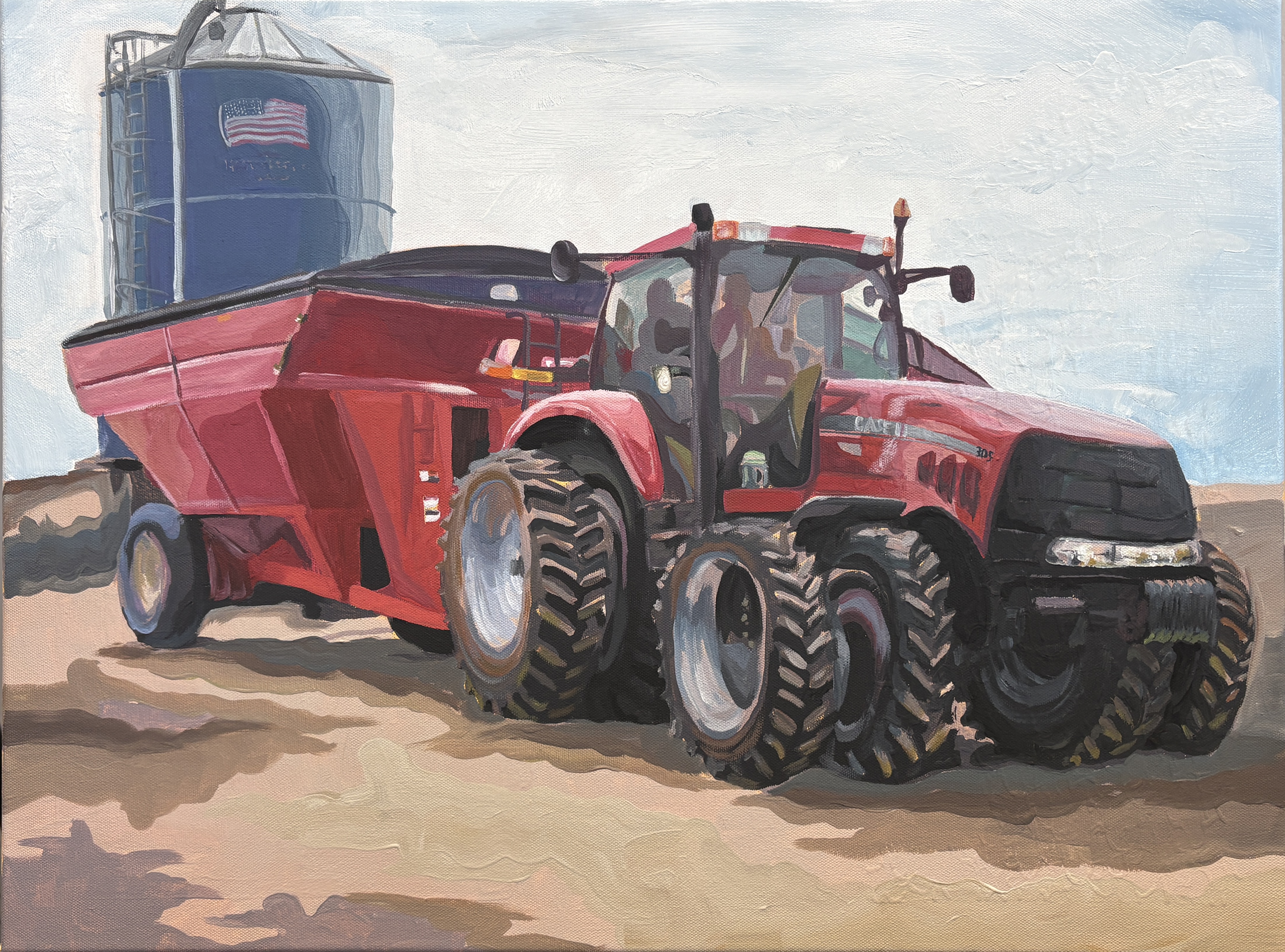
Although she did not grow up living on a farm, it has always been a central gathering place in her life. She and her family members traveling from all over would meet there to share meals, play games, and spend summer nights together. The farm became a place of connection, shaped by family, memory, and love. Many of Cameron’s memories involve running around the tractors parked near the barn or learning to drive Gator vehicles with her grandparents. The surroundings at the farm have seen generations of family growing and changing, and in this exhibition, she paints the objects that hold those memories.
Her paintings move between macro and micro perspectives, depicting both large agricultural machinery and small details often overlooked. Tractors and combines are rendered with the same care and attention as Japanese beetles, corn husks, or other fragments of farm life. Cameron is drawn to the visual intensity of the farm, its textures and saturated colors. She uses playful yet deliberate brushwork, allowing neighboring colors to remain visible rather than fully blended. Each painting functions almost like a portrait, not of a specific person but of a connection. By shifting scale and spotlighting different surfaces, Cameron invites viewers to notice the beauty in everyday farm objects in Iowa while reflecting on the relationships and shared experiences that give them meaning.
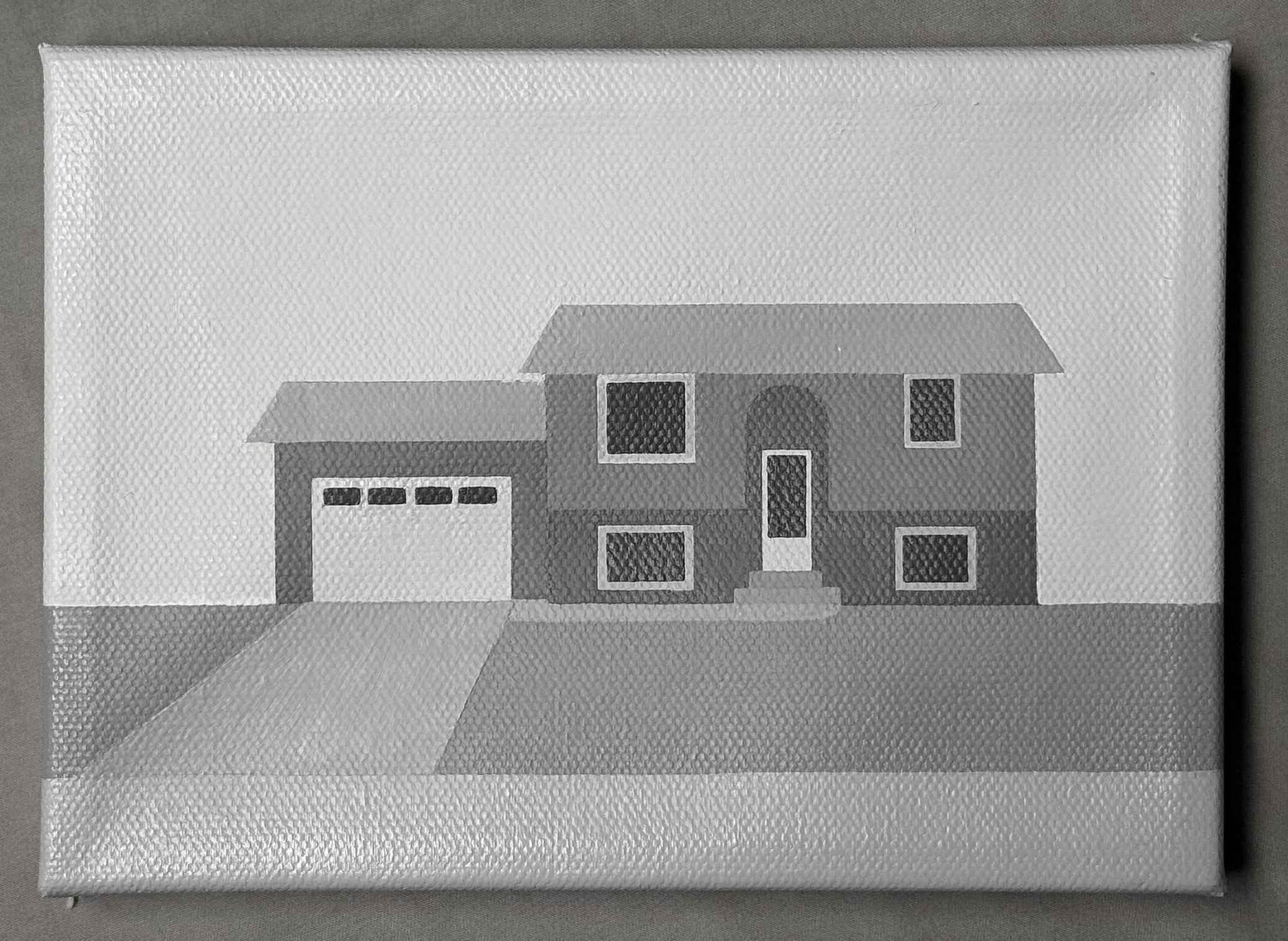
Kenzie Turley
In a series of intimate, small-scale black and white paintings, Kenzie Turley depicts houses she has moved through across a lifetime of impermanence. By stripping each image of color, depth, and shadow, the structures exist outside of time, feeling less like observed places and more like half-remembered ones. The small canvas size creates distance between viewer and subject as no amount of closeness can bring viewers into the rooms within the houses themselves. Presented as a series, no single house stands apart as more significant than the rest, presenting the question: is the feeling of home ever really held in the structure at all?
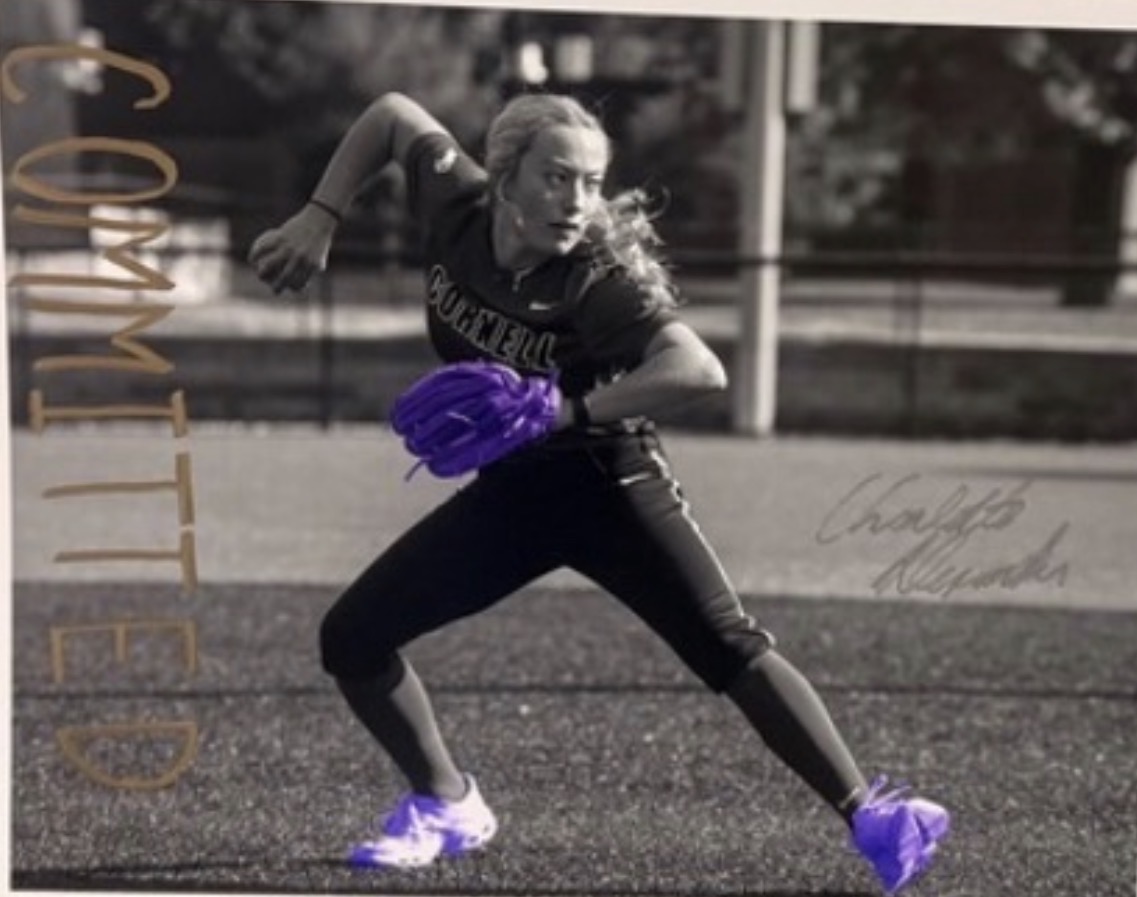
Peyton Souhrada
The work is inspired by the ongoing battle for equality in sports. The project, entitled “EmpowHER,” highlights the greatness of women who participate in sports and the contributions they make. Through black and white photography, the artist strips away distractions to emphasize the strength, courage, determination, fight, and resilience of women athletes. The use of black and white photography is intentional. It symbolizes the barriers that women in athletics have faced and represents a vision for a more equal future. The inclusion of purple within the photos symbolizes power, ambition, and dignity, while also serving as a representation of justice and equality.
This show opens April 19 at 8:30 a.m. in the SAW, near Coach Lamb's office.
*Rebeca Galicia will present a show in Armstrong Hall.