
 While the study of DNA used to be reserved for high school biology students and career scientists, the past several decades have brought it firmly into everyday life. TV dramas reference DNA evidence, genetic testing can be used to identify the best medications to use, and the average person can order DNA kits online to help discover their ancestry.
This doesn’t mean, however, that all of the human genetic code has been unlocked and explained. Scientists are, in fact, examining new regions of the human genome every day, looking for answers to some of the human body's most complex issues.
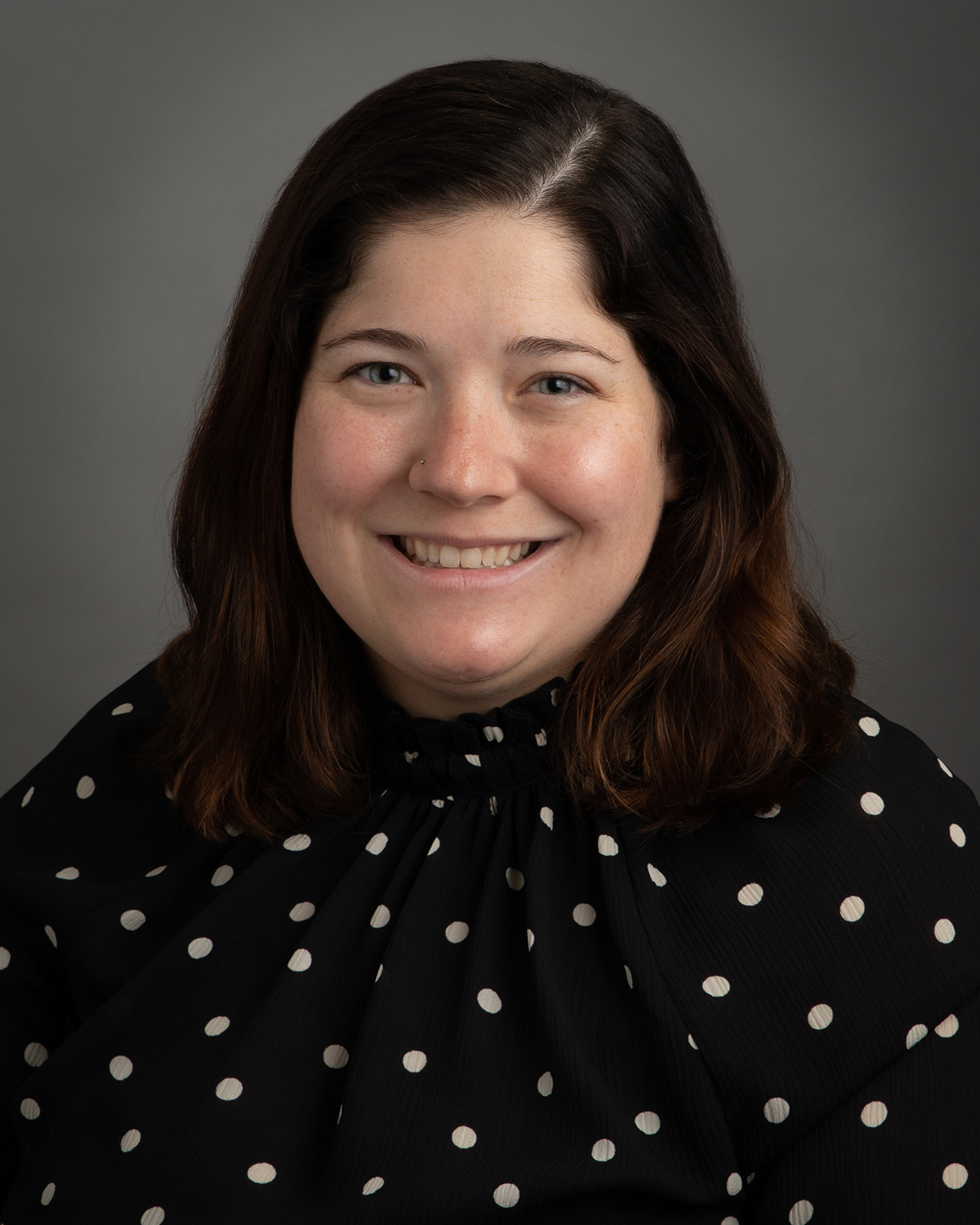
In a recently published study in Genome Research, “A map of enhancer regions in primary human neural progenitor cells using capture STARR-seq,” a team of researchers, including Cornell College Assistant Professor of Biology Sophie Gillett ’12, looked at regions of human genetic code that are known for harboring risk factors for psychiatric disease.
The portion of DNA that is usually thought of as DNA—the part that codes for proteins—only makes up about 3% of the human genome. The other 97% was considered “junk DNA” until the Encyclopedia of DNA Elements (ENCODE) consortium formed to help study and track this portion of human DNA. PsychENCODE eventually developed to focus specifically on the intersection of genetics and psychiatry. That is where this research team fits in.
“We looked at regions that are called enhancer regions, which enhance gene expression, and worked to figure out their functional role and how they relate to psychiatric disease,” Gillett said.
Starting with a large-scale screen, the team looked at tens of thousands of regions that were implicated in disease and shown to impact the human brain. Next, they used a sequencing process that allowed them to figure out which regions of the genome are enhancer regions, to narrow the 70,000 or so regions they started with down to a list of a few thousand regions.
Next, the team needed to manipulate the regions to see what would happen. To do this, they used CRISPR, which is a genome editing technique that uses a protein like scissors to cut the DNA anywhere you want.
“We went in and cut the identified enhancer regions out of cells and saw what happened,” Gillett said. “As expected, when these regions were cut out, we saw big decreases in gene expression.”
Their final step was to create small mutations in the cells in order to mimic the mutations that are associated with psychiatric disease. They were able to see that the mutations caused changes in the enhancer activity as well, meaning it is directly translatable to what might be going on in people with disease.
While psychiatric diseases are not caused by just one mutation—it’s usually multiple and often tens of different mutations—along with environmental influences, this research still has a great deal of value.
“The point of this type of research is improving our understanding of diseases and, hopefully, identifying new drug targets and better treatments,” Gillett said.
It has also made an impact here on campus as Gillett has begun incorporating the research into Cornell Summer Research Institute (CSRI) projects and classroom activities.

“I’ve had students do bipolar disorder, schizophrenia, major depression, and PTSD, along with lots of different offshoots,” Gillett said. “They identify regions that have been implicated in that disease and figure out whether those regions are enhancers, design their own CRISPR tools, put them into cells, and then look at expression.”
Moving forward, she hopes to have her students replicate findings over multiple blocks. There have also been students working in a local lab that uses mice, rather than basic cells.
“Psychiatric diseases have behavioral components, so my hope is that once we've identified interesting things on a cellular level, we can move into looking at the behavioral aspects in mice,” Gillett said. “From there, we’ll hopefully move up into humans.”
Assistant Professor Sophie Gillett graduated Phi Beta Kappa from Cornell in 2012 with a degree in biology and mathematics. She holds a doctoral degree in genetics from the University of Iowa and was a postdoctoral scholar in Genomic Engineering at Tempus Labs, Inc. in Chicago. She has taught at Cornell for four years.