
Learning something new can be frustrating when the information just isn’t making sense, but at Cornell, people are here to help.
Students in any class can request a content tutor at any time by filling out a simple online form.
“I think the most important thing for students to know is that getting help is what successful students do,” said Quantitative Reasoning Studio Director Jessica Johanningmeier. “It's not a negative thing to work with a tutor. We help many students who are struggling and also many who are doing well.”
Johanningmeier works with Dungy Writing Studio Director and Director of Fellowships and Scholarships Laura Farmer to run the content tutoring program.
“We match students who need help with understanding course material, say conjugating verbs in Spanish or reviewing muscle systems in kinesiology, with a content tutor—a student who is knowledgeable about the subject,” Farmer said. “Tutoring is available for every content area. It usually works best if students request help as early in the block as possible."
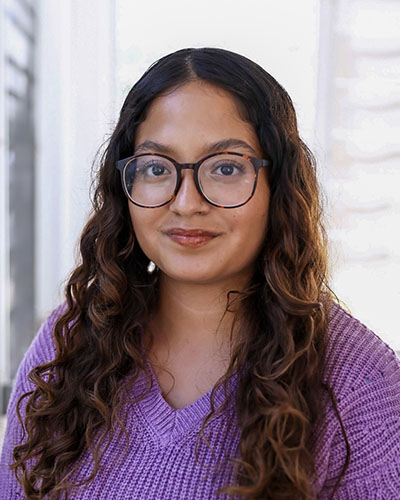
The list of tutors is drawn from previous tutors, faculty recommendations, and students who show an interest in the job. They must be eligible for work study and be available for an additional on-campus job. The tutor then helps the student learn the material they are struggling with, working on an as-needed basis throughout the year.
Ashley Olvera ’27 is a peer tutor in Spanish and says she enjoys helping students feel more prepared for class.
“I became a content tutor to support my peers, especially in my native language, which also gave me a sense of home,” Olvera said. “Recognizing the challenges of language learning, I aim to boost students' confidence, encouraging their full engagement during the 18-day program and beyond, should they decide to continue their language studies.”
Once a student has filled out the form and been matched to a tutor, the pair schedules times and a place to work, usually in the library or the commons.
Students who choose to be a content tutor do so for a variety of reasons.
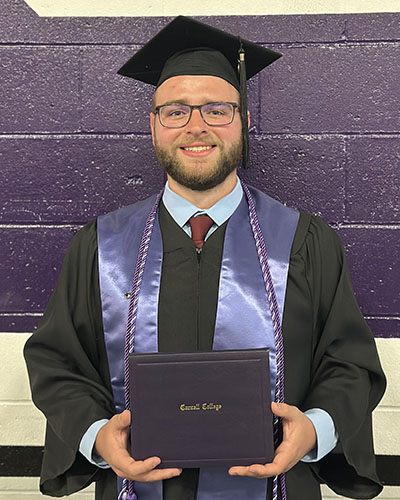
“I wanted to do something to help other students, but also help myself grow as a person,” Edwin Holyoake ’25 said. “I meet lots of people and experience many different perspectives.”
Olvera and Holyoake say getting a tutor will deepen students’ understanding of the material, improve their skills, and learn new ways to connect to and communicate with other people.
“Getting a content tutor is a straightforward way to gain extra help, even if you’re not significantly struggling. A tutor can help you feel more confident, better prepared, or simply provide a study partner,” Olvera said.
For those who want help with writing, tech projects, or quantitative assignments, rather than subject-area help, the Dungy Writing Studio, Academic Technology Studio, and the Quantitative Reasoning Studio also have peer consultants who are scheduled to work in each library space to support students who stop by or make an appointment to discuss a single paper or homework assignment.